









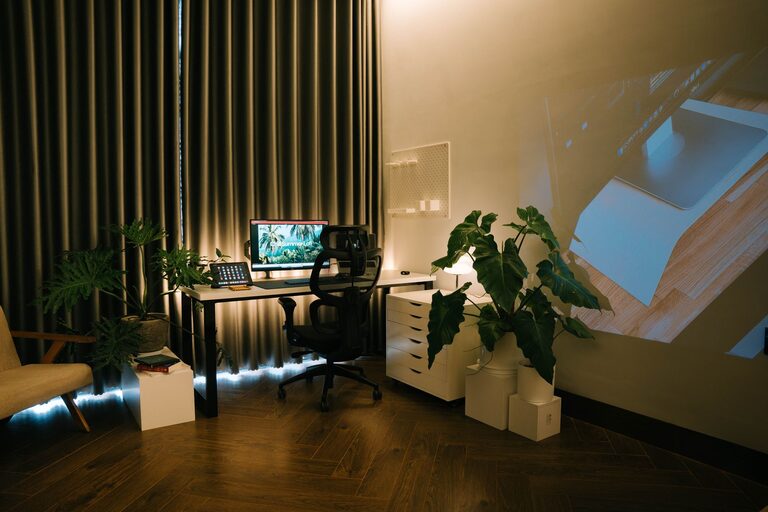
Creating a relaxing home workspace is essential for maintaining focus, reducing stress, and improving overall productivity. Whether you work remotely full-time or occasionally need a quiet spot for tasks, a well-designed workspace can make all the difference. In this post, we’ll guide you through practical tips and ideas to transform any corner of your home into a calming and efficient workspace.
Why a Relaxing Workspace Matters
When your work area feels chaotic or uncomfortable, it can affect your mood, concentration, and output. A relaxing workspace promotes mental clarity and helps you separate work time from personal life. It also encourages regular breaks and supports good posture, both important for health and efficiency.
Step 1: Choose the Right Location
Selecting the right spot in your home is the foundation of a relaxing workspace. Here are some factors to consider:
– Natural Light: If possible, pick a space near a window to benefit from sunlight. Natural light helps reduce eye strain and boosts mood.
– Quiet Environment: Find a place with minimal noise and distractions. This might be a spare room, a nook, or even a corner shielded by room dividers.
– Space Availability: Ensure there’s enough room for your desk, chair, and any tools or devices you need.
Step 2: Invest in Comfortable Furniture
Your furniture plays a key role in comfort and focus.
– Ergonomic Chair: Choose a chair that supports your back and encourages good posture. Adjustable height and lumbar support are ideal.
– Desk Size: Select a desk that fits your space and allows room for your computer, notebooks, and other essentials.
– Footrest and Accessories: Consider a footrest or wrist support if you spend long hours at your desk.
Step 3: Organize for Simplicity and Clarity
Clutter can quickly make a space feel stressful. Organizing your workspace keeps your mind clear.
– Use Storage Solutions: Shelves, drawers, and organizers help keep supplies tidy.
– Minimal Decor: Limit decorations to a few favorite items to avoid distractions.
– Cable Management: Use clips or sleeves to keep cords under control.
Step 4: Bring in Soothing Elements
Small touches can add a sense of calm and inspiration to your workspace.
– Plants: Adding greenery not only beautifies the area but also improves air quality and reduces stress.
– Soft Lighting: Use desk lamps with warm light instead of harsh overhead lighting.
– Aromatherapy: Consider subtle scents like lavender or eucalyptus using diffusers or candles.
Step 5: Personalize Your Space
Making the workspace your own helps motivate and comfort you.
– Inspiring Artwork or Quotes: Hang images or words that encourage creativity and positivity.
– Color Choices: Choose calming colors like soft blues, greens, or neutrals for walls and decor.
– Comfort Items: A cozy blanket or cushioned chair pad can enhance comfort during long sessions.
Step 6: Maintain Healthy Habits
A relaxing workspace is also about how you use it.
– Regular Breaks: Follow the 20-20-20 rule — every 20 minutes, look 20 feet away for 20 seconds to rest your eyes.
– Stretch and Move: Take short walks or stretch periodically to reduce tension.
– Keep It Clean: End each day by tidying your desk to prepare for tomorrow.
Bonus Tips: Tech Tricks for a Relaxing Workspace
– Use Noise-Cancelling Headphones: Block distractions when needed.
– Screen Filters: Reduce glare and blue light to ease eye strain.
– Task Management Apps: Keep your work organized and deadlines clear.
—
By intentionally designing a relaxing home workspace, you create a more enjoyable and effective environment for your daily tasks. Remember that small changes can make a big difference—experiment with what works best for you and your routine. With time, your workspace will become a favorite spot that supports both productivity and peace of mind.